

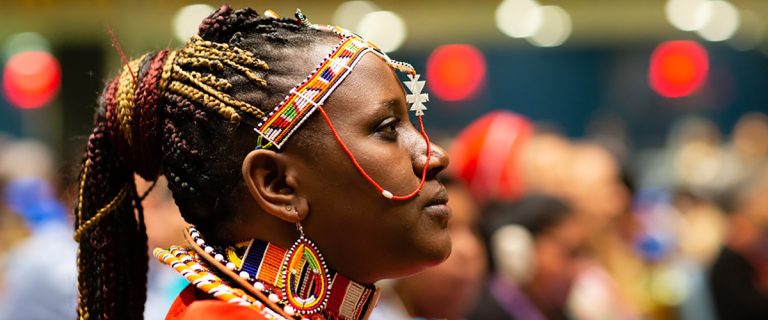
“The United Nations stands ready to support all initiatives aimed at realizing the rights and aspirations of indigenous peoples.”
– UN Secretary-General António Guterres
The world’s indigenous population is estimated at 370 million, spread across 90 countries. They constitute less than 5% of the global population but represent 15 % of the world’s poorest people. They speak the vast majority of the world’s approximately 7,000 languages and represent 5,000 different cultures.
Indigenous peoples are heirs to and practitioners of unique cultures and distinct ways of interacting with people and the environment. They have maintained social, cultural, economic, and political characteristics that differ from those prevalent in the dominant societies in which they live. Despite their cultural differences, Indigenous peoples worldwide face common challenges in protecting their rights as distinct peoples.
Indigenous peoples have long sought recognition of their identities, ways of life, and rights to their traditional lands and natural resources, yet their rights have been violated throughout history. Today, indigenous peoples are arguably among the most marginalized and vulnerable groups in the world. The international community now recognizes the need for special measures to protect their rights and preserve their distinct cultures and ways of life.
With the aim of raising awareness of the needs of these population groups, the International Day of the World’s Indigenous Peoples is celebrated on August 9th of each year, which was chosen in recognition of the first meeting of the United Nations Working Group on Indigenous Populations held in Geneva in 1982.
Theme of 2019: Indigenous Languages
This year’s celebration is dedicated to indigenous languages, in honor of 2019 being declared the International Year of Indigenous Languages.
The majority of endangered languages are indigenous languages. It is estimated that an indigenous language disappears every two weeks, jeopardizing the cultures and knowledge systems of these peoples. Therefore, this International Day aims to highlight the devastating loss of indigenous languages and the urgent need to safeguard, revitalize, and promote them both nationally and internationally.
0 Comments